
What is a Quitclaim Deed in California?
If you’ve ever been involved in a property transfer between family members, gone through a divorce, or needed to clear up a title issue, you

Member of

Member of




Need a deed of easement prepared for your California property? Laguna Legal is a licensed, bonded, and certified Legal Document Assistant serving clients since 1998. We prepare easement deeds and supporting recording documents for property owners throughout California.
Whether you need to establish access to a landlocked parcel, document a shared driveway, grant utility access, clarify parking rights, or formalize another limited use of real property, our team can prepare the deeded easement according to your instructions and help you through the recording process.
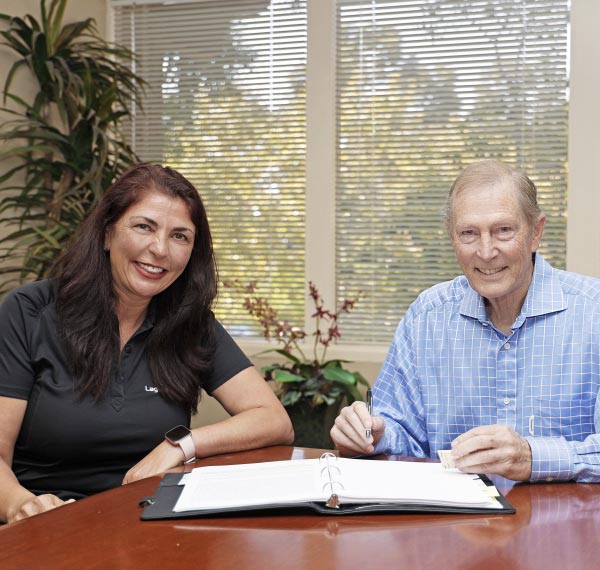
A deed of easement or Easement Deed is a legal document that gives an individual, business, utility provider, government agency, or neighboring property owner the right to use a specific portion of another person’s property for a defined purpose.
The property subject to the easement is commonly called the servient estate. If the easement benefits another parcel of land, that property is generally called the dominant estate. Although an easement permits someone to use the affected area, it does not ordinarily transfer ownership of the underlying land.
For example, one property owner may grant a neighboring owner the right to use a private road to reach their home. The owner of the land keeps title to the road, while the neighbor receives a legally documented right of access.
A properly drafted easement deed should clearly identify the affected properties, describe the easement area, explain its permitted use, and address any limitations or responsibilities established by the parties. Once signed, notarized, and recorded, the deeded easement becomes part of the property’s public record.
Easements can affect how a property is accessed, maintained, developed, financed, and sold. While an online easement deed form may appear straightforward, generic templates rarely account for the specific properties, legal descriptions, access areas, maintenance arrangements, and county recording requirements involved in an individual transaction.
Vague language can also create uncertainty. If a deed does not clearly describe where the easement is located or how it may be used, the property owners may later disagree about access, parking, repairs, improvements, or responsibility for maintenance costs.
Laguna Legal provides professional document preparation without unnecessary attorney fees. We prepare your easement deed using the information and terms you provide, along with the property descriptions and supporting documents required for recording.
As a Legal Document Assistant, Laguna Legal cannot decide what rights you should grant or provide legal advice about a property dispute. However, once the parties have agreed on the terms—or an attorney has advised them regarding those terms—we can prepare the easement deed and other recording documents.

Access is one of the most common reasons property owners create an easement deed in California.
A parcel may lack direct access to a public street, or the most practical route to the property may cross neighboring land. In other situations, two properties may have used the same private road or driveway for years without a recorded agreement explaining each owner’s rights.
A deeded easement can formally identify the access route and establish how the area may be used. Depending on the terms provided by the parties, the document may address who can use the easement, whether the right extends to guests or service providers, what types of vehicles are allowed, and who is responsible for maintenance.
Recording the easement can also make the arrangement easier to identify during a future title search. If the easement is intended to benefit the property itself rather than only a named individual, it may continue to affect the properties after one or both owners sell.
Laguna Legal can prepare the easement deed and supporting recording documents once the parties have established the terms of the access arrangement.
Ready to get started? Use the blue button below to pay for your consultation securely online for just $100. We’ll then be in touch within 1 business day to answer your questions. Alternatively, use the red button to contact us for more information via email.
A deed of easement or Easement Deed must do more than state that one person has permission to use another person’s land. It should clearly identify the parties, properties, easement area, and rights being created.
Depending on the transaction, an easement deed may include:
Some easement deeds require a surveyor or engineer to prepare a precise legal description or map of the easement area. Laguna Legal can incorporate the description supplied by the parties or their licensed professional into the recording documents.
Because an easement may affect property rights for many years, the document should accurately reflect the arrangement the parties intend to create.
Need a related real estate document? See our full California real estate document services, living trust services, or probate services.

A properly prepared and recorded easement deed can help:
Recording does not guarantee that disagreements will never arise. However, a clear recorded document generally provides stronger evidence of the parties’ arrangement than a verbal agreement or informal permission.
An easement, license, and right-of-way may all allow someone to use another person’s property, but they do not necessarily create the same type of right.
A deeded easement creates an interest in real property that authorizes a defined use of the land. Depending on how it is written, the easement may benefit a particular parcel and continue when ownership changes, or it may be granted to a specific person or entity.
A license is generally personal permission to use property for a particular purpose. Unlike an easement, a license does not ordinarily create a permanent interest in the land and may be revocable, depending on the circumstances and agreement.
A right-of-way is a type of easement that permits passage through or across property. It may provide pedestrian, vehicle, utility, or roadway access. The term describes the use being granted, while the easement deed is the document that may formally create and record that right.
The appropriate document depends on the rights the parties intend to establish. If the property owners have already agreed on the arrangement, Laguna Legal can prepare the appropriate documents at their direction. If there is a disagreement about existing rights or uncertainty about which type of easement should be created, the parties should seek advice from a qualified California real estate attorney.
Call Laguna Legal at 800-497-9850 or submit a request online. We will ask for basic information about the property, the current owner, the individual or property receiving the easement rights, and the purpose of the easement.
Some clients request a consultation before engaging our document preparation service. This consultation is optional and is not required for us to begin preparing the documents.
Our team gathers the information needed to prepare the Easement Deed. This may include the current vesting deed, assessor’s parcel number, legal description of the affected property, names of the parties, and the terms they have agreed upon.
If the easement covers only a particular strip or portion of the property, a separate legal description or survey exhibit may be necessary. The property owners may need to obtain that description from a licensed surveyor or other qualified professional before the deed can be completed.
We prepare the easement deed according to the information and instructions provided. The document will identify the applicable parties and properties and describe the rights being granted.
When the parties have provided additional terms—such as restrictions, maintenance responsibilities, permitted users, or termination conditions—we can include those provisions in the document.
The county recorder may require additional information, forms, transfer tax declarations, exemption language, or documentary formatting before accepting an easement deed for recording.
We prepare the applicable supporting documents and organize the recording package. Whether a Preliminary Change of Ownership Report is required can depend on the document and transaction, so the specific county and circumstances should be reviewed.
The property owner granting the easement generally signs the deed before a notary. Everyone at our office is a notary, and in-office notarization is included in our pricing.
If the document will be signed elsewhere, we provide instructions regarding the signatures, notarization, and return of the completed documents.
After the deed has been properly signed and notarized, Laguna Legal can submit the recording package to the county recorder.
Once accepted, the easement deed becomes part of the public property records. You will receive the recorded document for your files after the county completes processing.
A deeded easement should identify both the rights being granted and the limits placed on those rights.
For example, an access easement may allow passage across a defined section of land without allowing the easement holder to park vehicles, store equipment, block the roadway, or use other portions of the property. A utility easement may permit installation and maintenance of specified utility lines without authorizing unrelated uses.
The document may also explain whether the easement is appurtenant or in gross. An easement appurtenant generally benefits another parcel of land and is intended to pass with that property. An easement in gross generally benefits a person, company, or organization rather than a neighboring parcel. Utility easements are common examples of easements in gross.

An easement can affect how a property is used for years and may continue after the property changes ownership. An incomplete description, unclear purpose, or missing restriction can cause recording delays and create uncertainty for current or future owners.
Laguna Legal prepares deeds of easement and related recording documents for property owners throughout California. Whether you need to establish access, document a shared driveway, grant utility rights, or formalize another agreed-upon use of real property, we can prepare the documents and help you through the recording process.
Contact Laguna Legal today to get started with your California easement deed.
A deed of easement or easement deed is a legal document that grants a person, business, organization, or neighboring property the right to use a defined portion of someone else’s land for a specific purpose. Common examples include access, shared driveways, utilities, drainage, parking, and maintenance. The owner generally retains ownership of the land while granting the limited rights described in the deed.
A deeded easement is an easement created or documented through a written deed. Once the document is properly signed, acknowledged, and recorded, it becomes part of the public property record. Depending on its terms, the easement may continue to benefit or burden the properties when ownership changes.
Ordinarily, no. An easement deed grants a limited right to use land for a stated purpose rather than transferring ownership of the land itself. The property owner keeps title to the underlying property, subject to the rights granted in the easement.
An easement is a broad type of property right that allows a particular use of another person’s land. A right-of-way is an easement specifically related to passage or access. For example, a right-of-way may allow a neighbor to drive across a private road to reach their property.
Recording provides public notice of the easement and allows it to appear in the property records. This can be especially important when the easement is intended to affect future owners. California recording requirements generally include a properly formatted instrument and an acknowledged signature from the person executing it.
A deed affecting California real property generally must contain a proper acknowledgment before it can be recorded. This usually means the property owner granting the easement signs before a notary. Laguna Legal provides in-office notarization as part of its easement deed service.
A survey is not required in every situation, but the easement area must be described clearly enough to identify its location. If the easement covers a newly defined portion of the property, a licensed surveyor or other qualified professional may need to prepare the legal description and exhibit.
An easement appurtenant benefits a particular parcel of land. It generally involves a dominant estate, which receives the benefit, and a servient estate, which is subject to the easement. If properly created to run with the land, the easement may continue when either property is sold.
An easement in gross benefits a specific person, company, or organization rather than another parcel of land. Utility easements are common examples because they may grant a utility provider the right to install, access, and maintain equipment on private property.
Yes. An easement may be permanent if the document is written to continue indefinitely or run with the land. An easement may also be temporary or end when a specified event occurs. The duration and termination conditions should be clearly stated in the document.
An easement may sometimes be amended, relocated, or terminated through a written agreement between the parties with the necessary property rights. The appropriate document depends on the original easement and the circumstances. Disputed easements or attempts to terminate an easement without agreement should be reviewed by a California real estate attorney.
Yes. Property subject to or benefiting from an easement can generally be sold. If the easement runs with the land, the rights or restrictions may continue to apply after the sale. The recorded easement may also appear in the title report provided during the transaction.
It can. An easement may improve a property by providing necessary access or utility rights, but it may also limit how part of the burdened property can be used or developed. Property owners who need advice about potential financial, development, or title consequences should consult an appropriate real estate, legal, or appraisal professional.
Laguna Legal can prepare documents at the direction of parties who have reached an agreement, but it cannot resolve property disputes or provide legal advice. If the owners disagree about whether an easement exists, how it may be used, or whether it can be terminated, they should consult a qualified California real estate attorney.
No. A Legal Document Assistant can prepare an easement deed at your direction when the parties understand and agree upon the terms. An attorney may be necessary if the matter involves disputed access, unclear ownership, competing property claims, interpretation of an existing easement, or advice about the rights that should be granted.
No. Laguna Legal is not a law firm and does not provide legal advice. We prepare legal documents at the client’s direction and have provided document preparation services for more than 25 years. We also work closely with attorneys who may be able to provide legal advice when needed.
Recording times vary by county. Some county recorders process electronically submitted documents quickly, while others require additional processing time. Laguna Legal can submit the completed easement deed and provide the recorded copy after it has been accepted and processed.
Laguna Legal offers flat-fee document preparation services. Pricing may depend on the easement, supporting documents, legal descriptions, exhibits, notarization, and county recording requirements. Contact Laguna Legal for current pricing based on your transaction.
Laguna Legal’s easement deed service may include:
We help make the easement deed preparation and recording process clear, accurate, and organized from start to finish.







With our help, you and your spouse will work through the issues that need to be resolved so that your marriage can end as amicably and cost effectively as possible.
We will prepare and file all necessary paperwork and serve all parties. The entire process can be discussed in a Consultation prior to engaging our services.

Save your loved ones the cost, stress and delay of going through the legal process. Learn more about how we can help you with your Living Trust.

Probate is the judicial process that distributes a person’s assets after they die. In most states, probate is required even if there is a Will.

Contact us to schedule a Consultation meeting if you would like to discuss the requirements for a Corporation in your state.

Will will help you to setup everything you need to open a new business, and even a bank account for the newly formed LLC business.

For our full involvement throughout the custody process until the custody is finalized or our office is no longer needed.

Learn how to receive full assistance with all paperwork and our mediation services to assist you with a Stipulation.

Our Eviction/Unlawful Detainer service helps you during the legal process by which a landlord may terminate a tenant’s right to remain on the property.

We help clear eligible convictions by preparing and filing all paperwork, guiding you through the process so you can move forward with a clean slate.
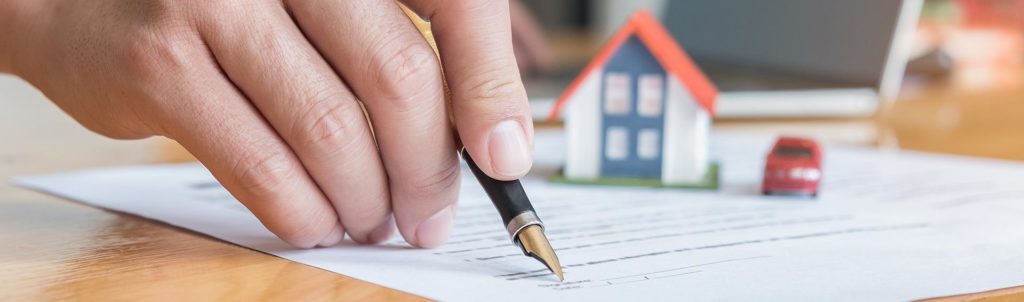
We are experts at preparing accommodation deeds in all California counties as well as out of state. We have built successful relationships with many escrow companies.

Whether to secure inheritance rights, solidify a stepparent bond, or provide lifelong care for a loved one, we’ll handle all the paperwork and court filings for your adult adoption.

If a loved one created a living trust but passed away before transferring all their assets into it, a Heggstad Petition can get those assets where they belong, without a full probate. We’ll handle all the paperwork and court filings, so you can focus on what matters most.

When both spouses are in agreement, an attorney isn’t always necessary. Laguna Legal prepares and files all the paperwork for your divorce, helping you move forward with less stress and at a fraction of the cost of traditional legal representation.
If you’ve ever been involved in a property transfer between family members, gone through a divorce, or needed to clear up a title issue, you
You can often clear a California conviction for several hundred to a few thousand dollars, depending on the crime and whether you hire an attorney.
You can often expect a California expungement to take about 2 to 3 months from filing to final court action, though some cases run shorter
Recording a grant deed in California is an important step to make sure your property ownership is officially transferred. To record a grant deed, you
Protecting your home from title fraud is important, especially here in California, where cases have been rising. You may have seen ads for title lock
Getting your criminal record cleared in California might seem complicated, but the process is more straightforward than many people think. We help clients navigate this

About Us
We’ve been providing Southern California with Excellent Legal Document and Divorce Mediation services since 1998.
We service the following counties: Orange, Los Angeles, San Bernardino, Riverside, San Diego, San Luis Obispo, Kern, Santa Barbara, Ventura and Imperial.
Contact Us
Address:
Laguna Legal Headquarters
24800 Chrisanta Drive, Suite 200
Mission Viejo, CA 92691
Phone:
800-497-9850
Fax:
949-497-9877
Email:
team@lagunalegalhelp.com
Follow Us
A Bonded and Certified Legal Document Assistant, LDA #267. We are not attorneys and cannot give legal advice. A Legal Document Assistant provides only self-help service to a member of the public who is representing him/her self in a legal matter. We are, however, very experienced and knowledgeable in the preparation of living trusts, deeds, and other legal documents, including divorce mediation. We work closely with several attorneys who can give you the legal advice you need.